Story – 6.11.2025
Brukett Oy is part of the Heino Group; a family-owned importer, distributor, seller, and producer of beverages. Responsibility is at the core of our operations, especially in terms of ecological sustainability, but we also pay attention to economic and social responsibility in all our activities.
As a member of Heino Group, we assess the future of beverage sector from various perspectives at the group level and clarify our goals towards more sustainable operations. We want to influence the development of our industry by focusing on the essentials and promoting a sustainable drinking culture across generations.
Brukett’s operations impact the entire value chain, and identifying our own carbon footprint is a key step towards more climate-friendly practices. We work together with our entire value chain in carbon footprint calculation. Openness and transparency benefit the whole sector. More about the group’s sustainability efforts can be read in Finnish in the Heino Group’s sustainability report.
Brukett’s international drinks partners have set their own goals in their sustainability programmes. For example, C&C Group, producer of Magners ciders, aims for carbon neutrality and is focused on reducing its carbon footprint. In addition, the group seeks ways to ensure sustainable sourcing, responsible alcohol consumption, and the wellbeing and diversity of its personnel.
Yalumba, one of Brukett’s longest-standing partners, is one of Australia’s oldest family-owned wineries and is particularly known for its commitment to sustainable development. Read more about the winery’s efforts to preserve biodiversity and increase energy efficiency.
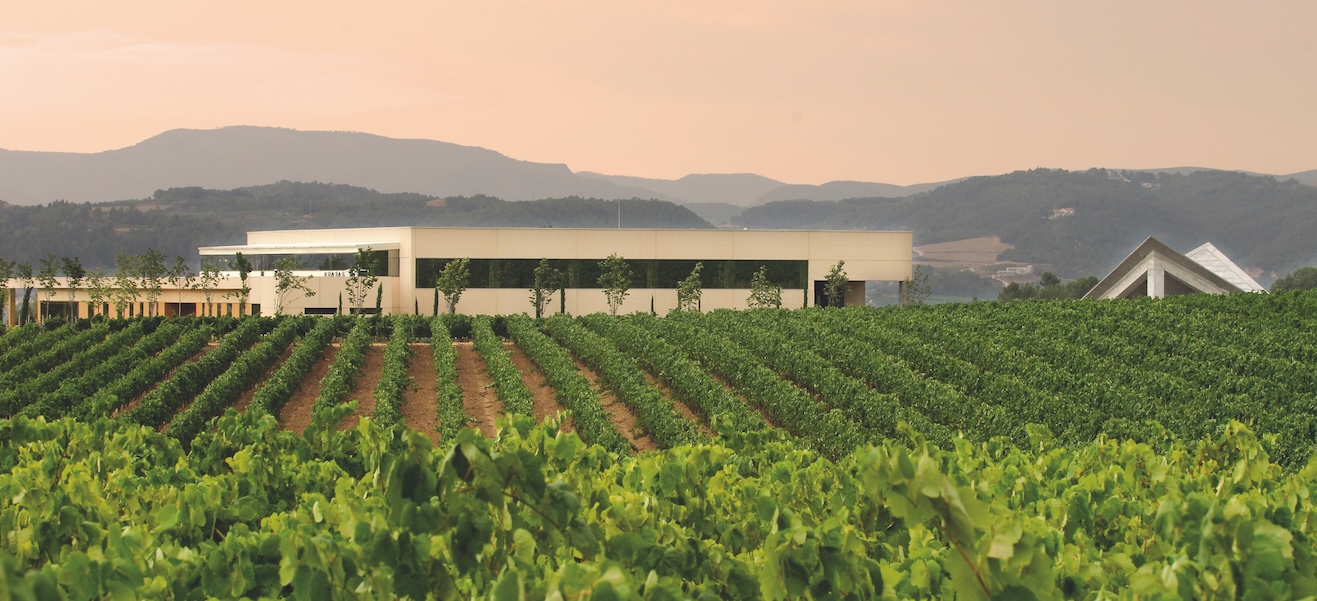
Vilarnaus cavas, on the other hand, are certified organic products from Spain. The winemaker’s mission is to produce the world’s finest cavas and alcohol-free sparkling wines in a natural and environmentally friendly way. Vilarnau’s values are based on responsible farming. Since their existance depends on the land, they are committed to caring for its wellbeing. The better the condition of the land and growing environment, the higher the quality of the grapes. The use of fossil fuels in daily operations has been minimised. For example, Vilarnau generates the energy needed from biomass and recycles irrigation water from a lake formed by rainwater.
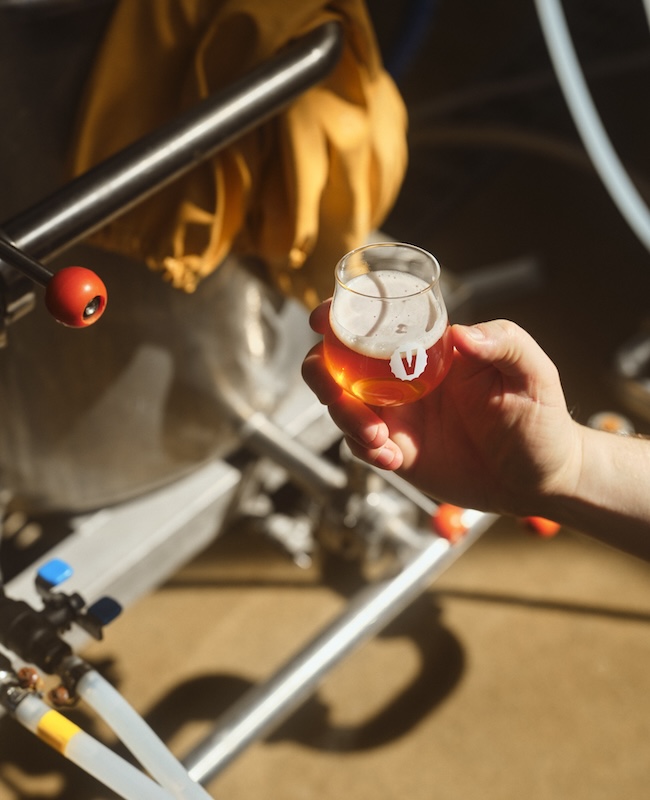
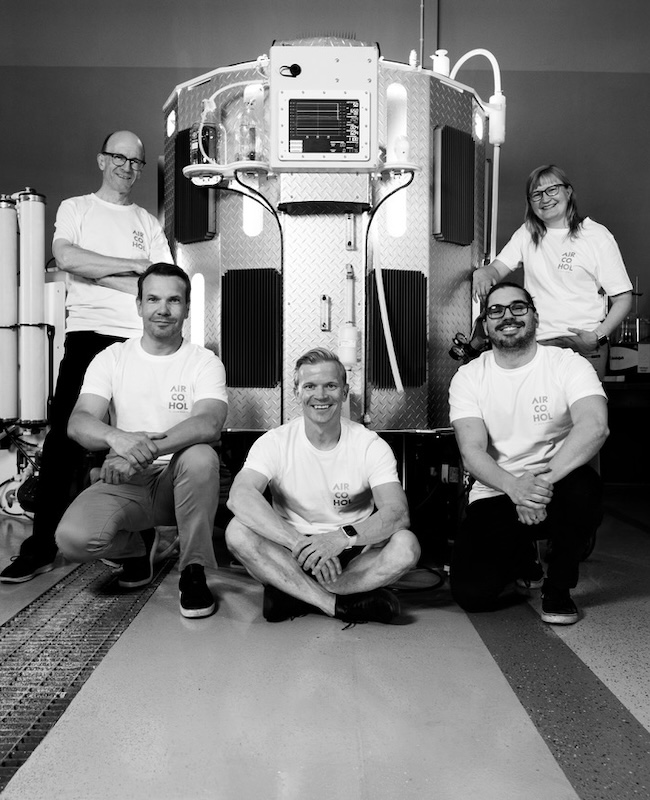
The focus of our 2024 sustainability work was our own ISO 14001-certified beverage production at the old knife factory in Fiskars and achieving the goals defined in our environmental programme. Among other things, we succeeded in reducing our electricity and water consumption, as well as the amount of waste per litre of beverages produced. Co-operation with a company called Aircohol continued throughout 2024, and in 2025 we are ready to move towards industrial-scale bioreactor production. Aircohol’s patented method uses carbon dioxide as the main raw material for beverage production, instead of traditional raw materials such as grain or grapes. Since 2024, we have captured carbon dioxide from our own fermentation processes and reused it as a raw material in beverage production. Our aim is to launch the world’s first commercial beverage product made using the Aircohol process by the end of 2025.
Brukett is committed to promoting human rights within its supply chain. Finland’s alcohol monopoly company, Alko, is a member of the international CSR organisation Amfori BSCI, and requires strong commitment from all its suppliers and other companies involved in and/or participating in its supply chain. We are part of Alko’s responsibility working group, which addresses current responsibility issues such as human rights in the supply chain. At the end of 2024, we joined the Business & Human Rights training programme organised by the UN Global Compact. Through the training, we will evaluate the human rights impacts of our operations and refine our due diligence processes during 2025.
In our own operations, human rights mean good workplace wellbeing, respect for diversity, and fair treatment. In purchasing, this means ensuring working conditions and terms meet our requirements. We carry out this work in accordance with the values and operational principles of Amfori BSCI. We are constantly working to increase transparency in our supply chain, train our personnel, and create practices to support consideration of human rights topics.
Drinking habits in Finland are changing rapidly. Overall alcohol consumption has steadily declined over the past two decades, and the proportion of especially younger people who do not consume alcohol at all has been steadily increasing.
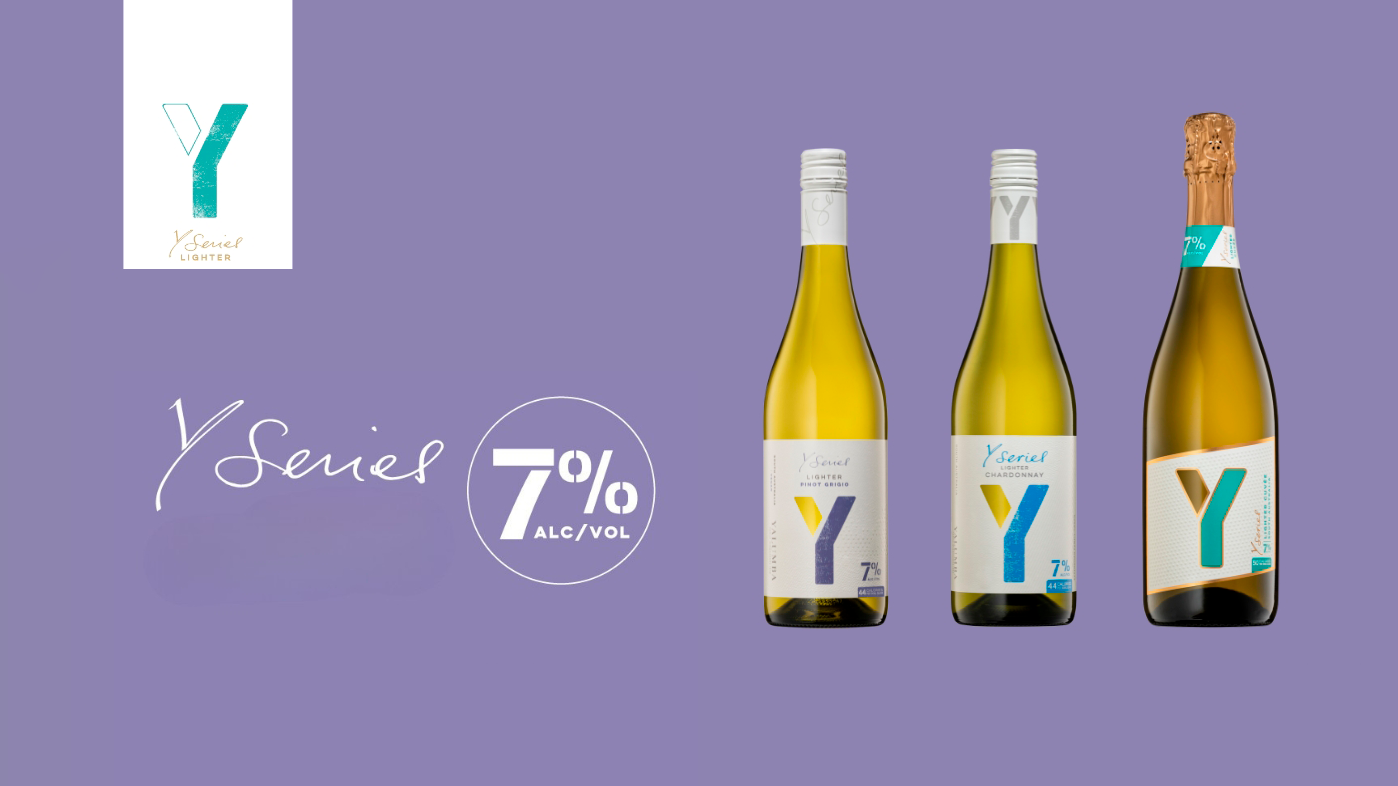
At Brukett, we have developed our alcohol-free beverage range in recent years so we can offer choices in line with our company vision, both in alcohol-free and low-alcohol products. In 2024, we launched the alcohol-free beers Suomenlinna Brewery’s Ton Lager and Fiskars Brewery’s Villi ja Vapaa Raspberry Sour Ale, both produced at our beverage factory in Fiskars. At the end of 2024, we introduced Paranoid Vichy and Pojo Lemonade. Spring 2025 saw the launch of Yalumba’s low-alcohol wines, which are available to consumers in grocery stores.
We constantly steer our product and supplier portfolios, as well as all sourcing, towards more environmentally friendly and socially responsible directions. When selecting new producers, we investigate the extent and goals of their sustainability work. We guide and advise our current producers to develop their operations towards responsibility, for example by getting certified by internationally recognised standards validated by third parties. We aim to cooperate with producers who, through their actions, advance responsibility in our sector. A good example of this is our collaboration with Equiano rum, which focuses on promoting equality and diversity. Equiano is the world’s first Afro-Caribbean rum, produced in both Mauritius and Barbados. The rum is named after Olaudah Equiano, one of the first published African writers in the West, who became known after a long period of enslavement in the 18th century.
Brukett’s craft beverage factory is called Veitsitehdas. The production is located in the historically significant Fiskars Village, founded in 1649 and home to fewer than 600 residents. The name Veitsitehdas (”knife factory”) has been preserved due to its cultural and historical importance.
Veitsitehdas now operates as a beverage production facility, with an adjoining visitor centre that includes a restaurant, bar, beverage shop, meeting and event spaces, and the possibility to join guided production tours.
The factory’s location in Fiskars Village is significant locally and in revitalising the countryside. The old factory buildings have been given new life, and we work actively with our landlord Fiskars Corporation to develop the area comprehensively. The key development focus is on building year-round business and promoting destination-level responsibility in collaboration with other operators in the village. In spring 2025, Veitsitehdas was awarded the Sustainable Travel Finland label by Visit Finland.